Lead Automation Systems: The Secret to Efficient Lead Management
June 13, 2024
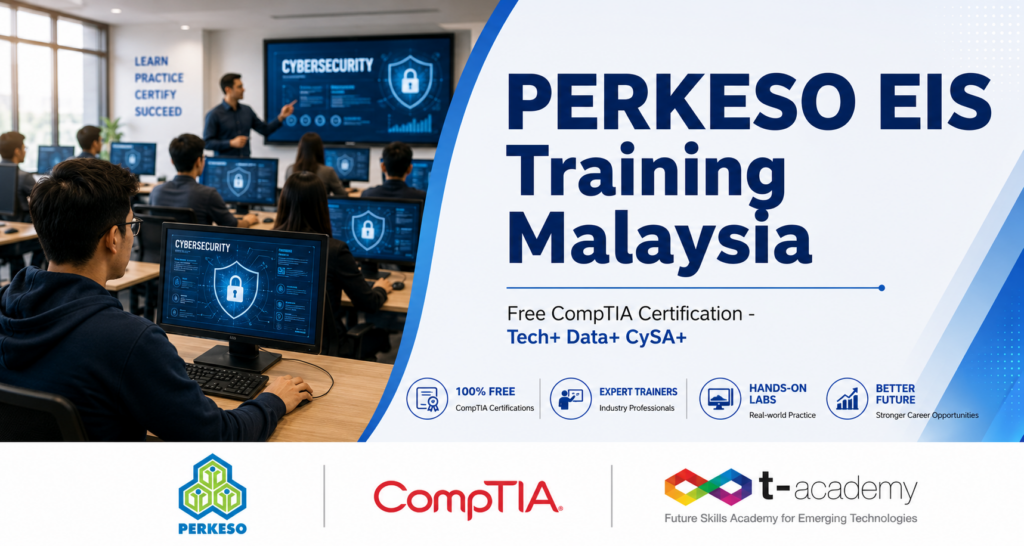
How to Apply for PERKESO EIS Training in Malaysia (Step-by-Step)
September 1, 2026
How Generative AI Is Transforming Professional Skills
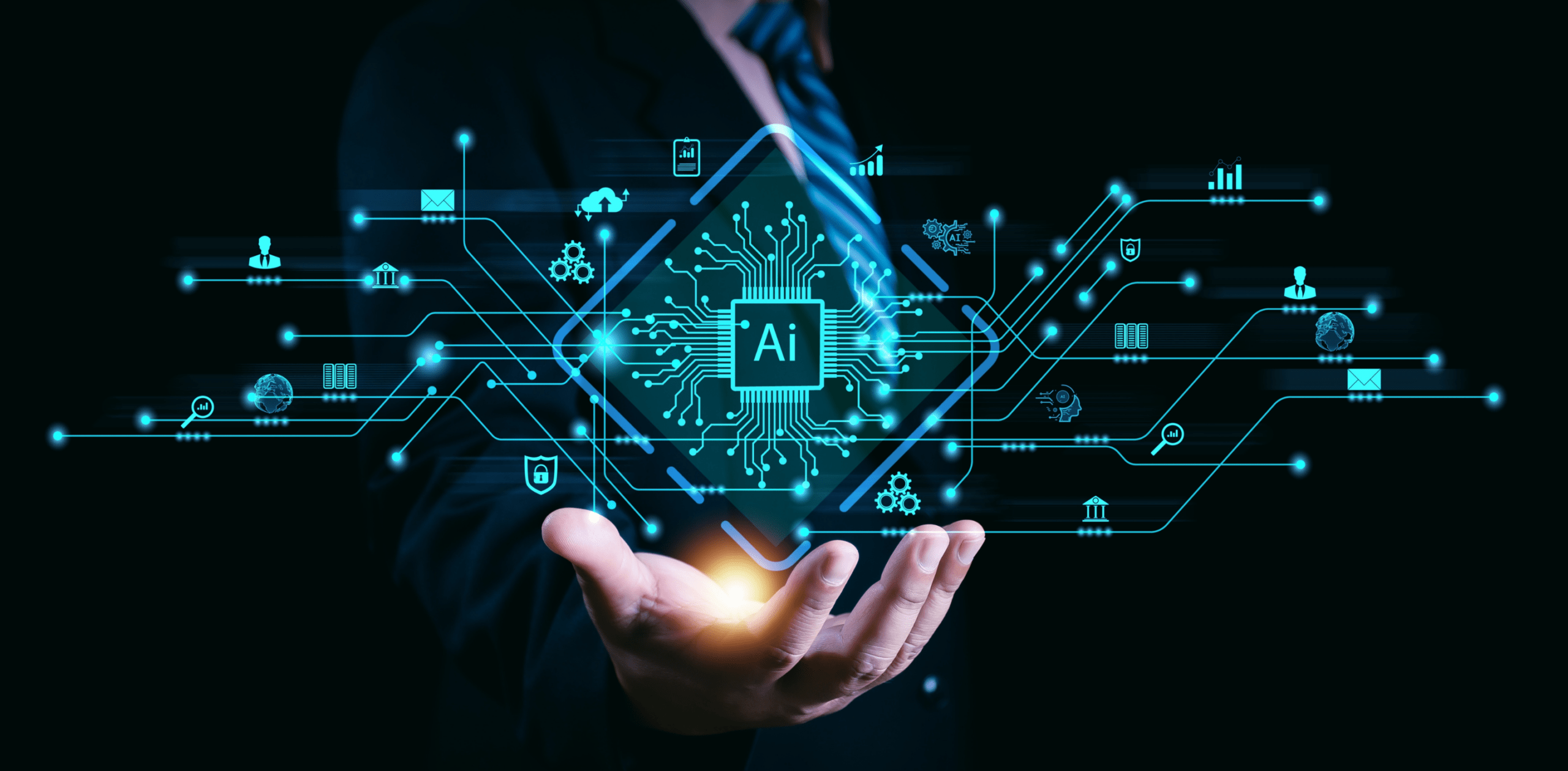
In today’s rapidly evolving digital economy, Generative Artificial Intelligence (GenAI)—including tools like ChatGPT, GPT-based models, and large language models—is no longer a distant concept.
It is already reshaping how work is performed, how skills are valued, and how productivity is defined across industries.
For learners, professionals, and business leaders, understanding this shift is essential to staying relevant in an AI-powered world.
It is already reshaping how work is performed, how skills are valued, and how productivity is defined across industries.
For learners, professionals, and business leaders, understanding this shift is essential to staying relevant in an AI-powered world.
What Is Generative AI?
Generative AI refers to artificial intelligence systems that create new content—such as text, images, code, and audio—by learning patterns from large datasets.
A prominent example is the Generative Pre-trained Transformer (GPT), which powers tools like ChatGPT.
Unlike traditional systems that retrieve information, generative AI produces original outputs, enabling creativity and cognitive automation at scale.
A prominent example is the Generative Pre-trained Transformer (GPT), which powers tools like ChatGPT.
Unlike traditional systems that retrieve information, generative AI produces original outputs, enabling creativity and cognitive automation at scale.
1. Shifting the Landscape of Professional Work
Automation of Routine Tasks
Routine and data-heavy activities—such as report drafting, documentation, and basic customer interactions—are increasingly handled by GenAI tools.
This transformation does not eliminate roles; it elevates them. Professionals now focus more on decision-making, creativity, and strategic problem-solving.
Tools like ChatGPT assist with content drafts, code suggestions, meeting summaries, and design ideation, significantly reducing execution time.
Human–AI Collaboration
Rather than replacing people, GenAI acts as an intelligent collaborator, allowing professionals to iterate faster, explore ideas, and enhance productivity—especially in creative and technical roles.
Routine and data-heavy activities—such as report drafting, documentation, and basic customer interactions—are increasingly handled by GenAI tools.
This transformation does not eliminate roles; it elevates them. Professionals now focus more on decision-making, creativity, and strategic problem-solving.
Tools like ChatGPT assist with content drafts, code suggestions, meeting summaries, and design ideation, significantly reducing execution time.
Human–AI Collaboration
Rather than replacing people, GenAI acts as an intelligent collaborator, allowing professionals to iterate faster, explore ideas, and enhance productivity—especially in creative and technical roles.
2. New Skills for an AI-Enabled Workforce
AI Literacy as a Core Competency
As AI becomes embedded in daily workflows, basic AI literacy is now a foundational skill—even for non-technical roles.
Professionals must learn how to write effective prompts, validate AI outputs, and apply tools ethically.
Demand for Hybrid Skill Sets
Modern roles increasingly blend technical understanding with human strengths:
• Prompt engineering to guide AI effectively
• Ethical evaluation to ensure responsible usage
• Creative strategy to solve complex problems
• Communication skills to translate insights into impact
AI enhances human intelligence—it does not replace it.
As AI becomes embedded in daily workflows, basic AI literacy is now a foundational skill—even for non-technical roles.
Professionals must learn how to write effective prompts, validate AI outputs, and apply tools ethically.
Demand for Hybrid Skill Sets
Modern roles increasingly blend technical understanding with human strengths:
• Prompt engineering to guide AI effectively
• Ethical evaluation to ensure responsible usage
• Creative strategy to solve complex problems
• Communication skills to translate insights into impact
AI enhances human intelligence—it does not replace it.
3. Emerging Roles and Career Pathways
Generative AI is creating entirely new professional roles.
Examples include:
• AI Prompt Engineer
• AI Workflow Designer
• GenAI Application Specialist
• AI Strategy Consultant
Transformation of Traditional Roles
Existing professions are also evolving:
• Marketers personalize campaigns using AI
• Writers accelerate ideation and structuring
• Analysts combine expertise with AI-driven insights
The future of work is increasingly creative, strategic, and human-centered.
Examples include:
• AI Prompt Engineer
• AI Workflow Designer
• GenAI Application Specialist
• AI Strategy Consultant
Transformation of Traditional Roles
Existing professions are also evolving:
• Marketers personalize campaigns using AI
• Writers accelerate ideation and structuring
• Analysts combine expertise with AI-driven insights
The future of work is increasingly creative, strategic, and human-centered.
4. Organizational Impact & Professional Growth
AI adoption is reshaping organizational structures.
Teams become more autonomous, hierarchies flatten, and professionals are expected to lead AI-augmented initiatives.
Lifelong Learning Is Essential
With rapid AI advancement, continuous upskilling is no longer optional.
Professionals who embrace learning and adaptability will remain competitive and future-ready.
Teams become more autonomous, hierarchies flatten, and professionals are expected to lead AI-augmented initiatives.
Lifelong Learning Is Essential
With rapid AI advancement, continuous upskilling is no longer optional.
Professionals who embrace learning and adaptability will remain competitive and future-ready.
Key Takeaways
✔ Generative AI is reshaping work—not replacing humans
✔ AI literacy is becoming a baseline professional skill
✔ Hybrid skills combine technology with creativity and ethics
✔ New roles are emerging alongside transformed careers
✔ Continuous learning is critical for long-term success
✔ AI literacy is becoming a baseline professional skill
✔ Hybrid skills combine technology with creativity and ethics
✔ New roles are emerging alongside transformed careers
✔ Continuous learning is critical for long-term success
Conclusion: Human Skills Reimagined
Generative AI transforms work by amplifying human potential.
Success in the AI era depends not just on tools, but on judgment, creativity, ethics, and collaboration.
Professionals and organizations that align AI with human values will lead the next wave of innovation.
Success in the AI era depends not just on tools, but on judgment, creativity, ethics, and collaboration.
Professionals and organizations that align AI with human values will lead the next wave of innovation.

Related posts
September 1, 2026